
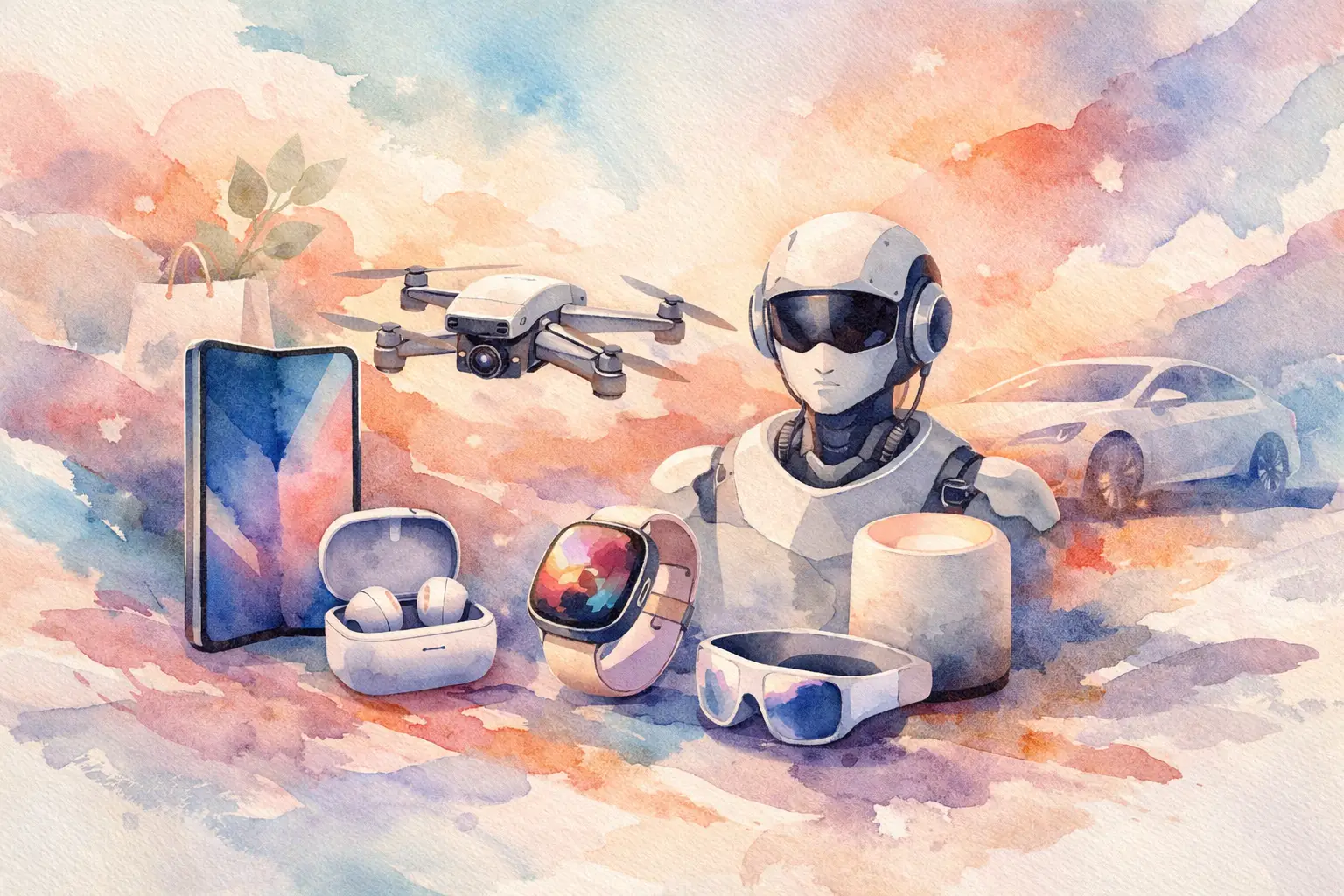
Trending Products 2026 Worth Watching
Some products spike because of hype. Others stick because they shave minutes off your day, solve a small annoyance, or make your setup feel instantly better. That’s the real story behind trending products 2026 - not random virality, but products that fit how people actually live, shop, and upgrade now.
For U.S. shoppers, the pattern is pretty clear. The products getting attention this year sit at the intersection of convenience, personalization, and price awareness. People still want newness, but they also want proof that a product earns its spot in the cart. That means fewer gimmicks, more products that feel useful on day one.
What trending products 2026 have in common
The fastest-rising categories are not necessarily the flashiest ones. They’re the ones that feel easy to justify. A home gadget that cuts cleanup time, a desk accessory that improves comfort, or a wearable that turns data into a better routine has a stronger chance than a novelty item with no second use.
Another big factor is shareability. Products that look good in a short clip or make sense within five seconds keep outperforming. That doesn’t always mean they’re shallow buys. It just means the value proposition is obvious fast. In a crowded shopping feed, clarity wins.
Price also matters more than trend watchers sometimes admit. Premium products can still break out, but the sweet spot is often affordable upgrade territory. Shoppers are far more willing to test something new when it feels like a smart experiment rather than a financial commitment.
Smart home picks are getting more practical
Smart home products are still hot, but the market has shifted. The winners in 2026 are less about showing off a futuristic home and more about removing friction from daily routines. Small automation is beating big complexity.
That includes compact robot cleaners for apartments, smart plugs with better energy tracking, countertop appliances with more intuitive presets, and indoor security devices that are simpler to install. The old issue with this category was setup fatigue. If a product took too long to configure or needed three apps to function, many people checked out fast.
Now, the smart home products gaining traction are the ones that feel approachable. They promise one clear benefit and deliver it without a technical learning curve. That trade-off matters. A feature-packed product may look better on paper, but a simpler alternative often wins in real shopping behavior.
The shift from novelty to utility
Voice control alone is no longer enough to make a product feel current. Buyers want practical utility like energy savings, easier cleaning, safer package delivery, or better sleep environments. If a device saves time every week, it has staying power. If it just feels cool for two days, it probably won’t last.
AI-powered personal tech is moving mainstream
One of the biggest stories in trending products 2026 is how AI has moved from abstract software buzz into physical consumer products. That does not mean every product with AI in the name is worth attention. It means the category is finally producing consumer-friendly use cases.
Think earbuds that adapt audio based on your surroundings, note-taking devices that summarize spoken conversations, smart planners that help organize tasks, and wearables that translate health metrics into useful suggestions instead of raw data overload. The appeal is not AI for its own sake. The appeal is less effort.
This category has real upside, but also more noise than average. Many brands are slapping AI labels onto standard products with minimal difference under the hood. For shoppers, the filter is simple: if the feature saves time, reduces decision fatigue, or noticeably improves personalization, it’s worth a look. If it just adds another dashboard, maybe not.
Wellness products are becoming more specific
Wellness is still one of the strongest discovery categories online, but broad lifestyle branding is giving way to more targeted products. Shoppers are no longer impressed by vague promises of balance and optimization. They want category-specific tools with a clear use case.
That’s why recovery devices, sleep accessories, posture support products, red light tools, and hydration-focused gear continue to gain attention. The strongest products in this space are built around one measurable improvement. Better sleep quality. Less neck strain. Faster workout recovery. Cleaner indoor air.
There is a catch, though. Wellness products are especially prone to overclaiming. A sleek design and persuasive packaging can carry a product far on social platforms, even when the benefit is overstated. For this category, skepticism is healthy. The best buys are usually the ones that combine a realistic promise with easy daily use.
Why this category keeps growing
The growth here is not just about self-improvement culture. It’s also about home-based convenience. People want products that bring pieces of the spa, gym, or clinic experience into everyday routines without a subscription or appointment. That makes wellness products easier to justify as small lifestyle upgrades rather than big commitments.
Desk setups and hybrid work gear still convert
Even with return-to-office shifts, hybrid work gear remains one of the most dependable shopping categories. The reason is simple: people still care about comfort, focus, and aesthetics in the spaces where they spend hours every day.
Monitor lights, ergonomic laptop stands, mechanical keyboards, compact walking pads, cable management tools, and portable second screens are all holding attention. Not all of them are new categories, but they continue to trend because the buyer base keeps refreshing and upgrading.
This space works especially well because the before-and-after effect is obvious. A cluttered desk becomes cleaner. A stiff workstation becomes more comfortable. A dual-purpose corner feels more intentional. Products that visibly improve a setup tend to perform well because they combine function with that satisfying transformation factor.
Beauty tools and personal care devices are getting smarter
Beauty and grooming products keep evolving from consumables into devices. That shift is a big reason they remain highly visible in shopping content. Buyers like products that promise repeated value instead of one-time use.
At-home skincare tools, LED facial devices, scalp massagers, multi-styling hair tools, and grooming gadgets for fast maintenance are all strong contenders. The consumer mindset here is interesting. People are still open to premium pricing, but only when the product replaces part of a salon, spa, or high-effort routine.
The trade-off is that this category lives or dies on consistency. If a device works only when used perfectly for six weeks, it will lose momentum fast. Products that build traction tend to be simple enough for regular use and noticeable enough to keep people coming back.
Pet products are becoming lifestyle products
Pet gear is no longer just about bowls, beds, and basic toys. In 2026, some of the strongest-performing pet products are designed to fit the owner’s lifestyle as much as the pet’s needs.
That includes automatic feeders with smarter scheduling, pet cameras, odor-control accessories, travel-friendly carriers, furniture-friendly pet beds, and grooming tools that make cleanup easier. The emotional side of pet spending is still powerful, but convenience is driving more conversions than sentiment alone.
This is also a category where design matters more than before. Shoppers want pet products that blend into their homes and routines. If something works well and doesn’t make the living room look like a kennel aisle, it has a clear advantage.
Sustainable products are winning when they feel easy
Sustainability still matters, but the market has become more practical. Consumers are less likely to buy a product just because it carries a green message. They’re more likely to buy when the sustainable angle comes with a direct personal benefit.
Reusable cleaning tools, refill-friendly home products, energy-efficient devices, durable kitchen swaps, and low-waste storage solutions all fit that pattern. The strongest offers don’t guilt the shopper. They make the decision feel efficient, cost-conscious, and low hassle.
That distinction matters. Products framed around sacrifice tend to stall. Products framed around better design, lower waste, and longer-term value have a much better shot at staying relevant.
How to spot a real trend before everyone else
If you’re trying to shop smarter, don’t just look for the most viewed products. Look for signals that a product is moving from impulse curiosity into repeat demand. Consistent reviews, strong category expansion, and copycat versions from multiple brands usually indicate a product has crossed from viral into validated.
It also helps to watch whether a product solves a broad problem or a niche one. Niche products can still explode, but broader-use items usually have better staying power. A good test is whether you can explain the product’s benefit in one sentence without sounding like you’re pitching a science project.
For fast-moving discovery platforms like ClipRaptor, that’s often the difference between a brief spike and a product people actually keep buying. Attention matters, but usefulness is what carries a trend into the next season.
The best approach to trending products 2026 is not chasing every shiny new thing. It’s spotting the products that make modern routines easier, better, or a little more enjoyable without adding complexity. If a product feels instantly understandable and genuinely helpful, it’s probably worth a closer look.