
Why Home Products Going Viral Actually Sell
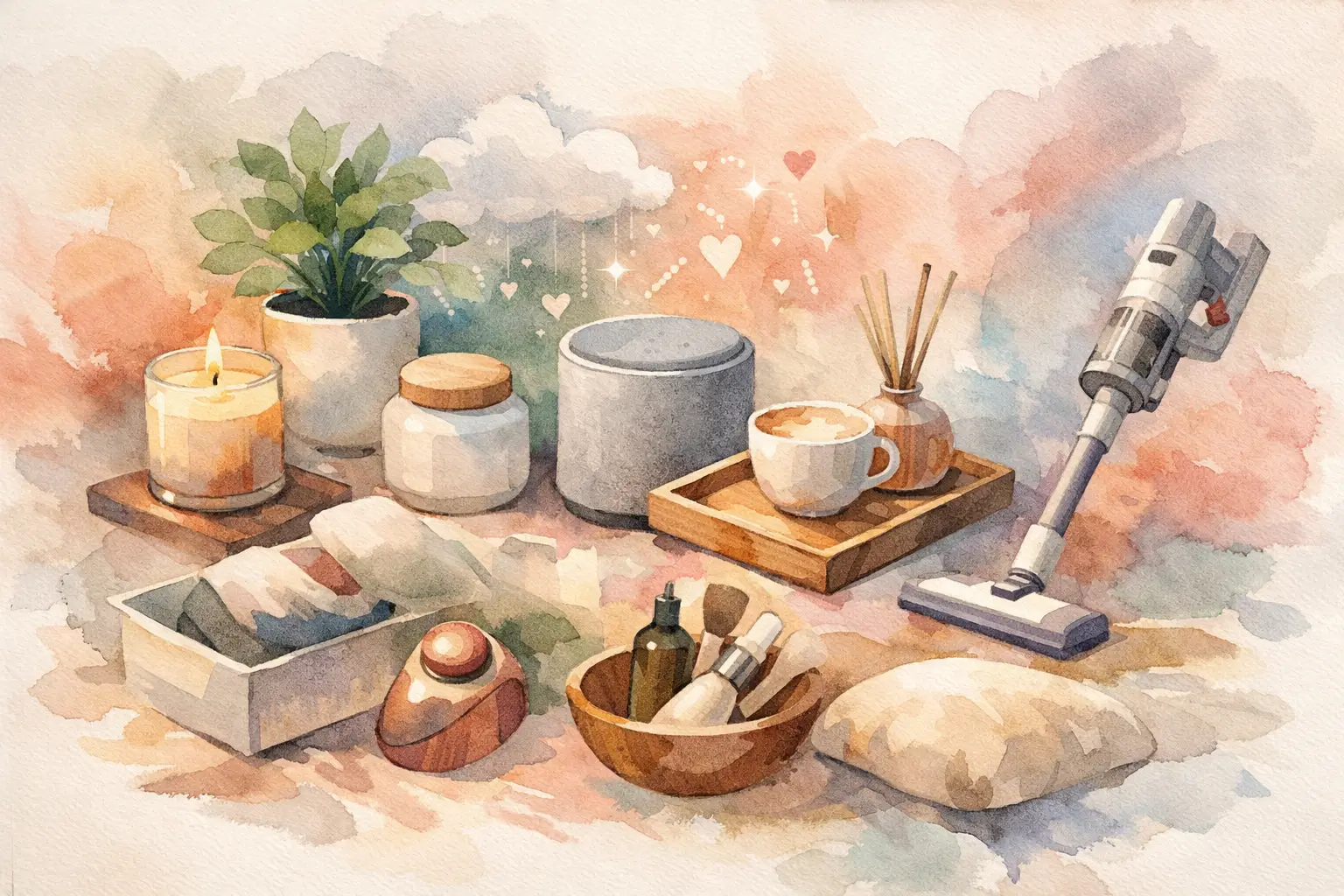
One week it’s a self-cleaning water bottle. The next, it’s an under-sink organizer, a motion-sensor light, or a pillow that promises hotel-level sleep. Home products going viral do not spread by accident. They catch on because they solve a small, annoying problem fast, look satisfying on camera, and feel easy enough to buy without a long research session.
That mix matters more than ever for online shoppers. Most people are not looking for a lecture on household efficiency. They want a product that makes daily life easier, looks smart in a short clip, and feels worth the money before they hit checkout. Viral home finds sit right at that intersection.
What makes home products going viral in the first place
A lot of products trend because they are visually pleasing, but that is only part of the story. The strongest viral home items usually have a clean before-and-after effect. Think cluttered drawer versus perfectly sorted drawer, dark hallway versus soft motion light, stubborn pet hair versus one pass of a remover. The product becomes the star because the result is instantly clear.
There is also a low-friction factor. If something costs less than a major appliance, requires almost no setup, and promises a quick upgrade to everyday life, people are more willing to try it. That is why smaller home items often spread faster than big-ticket furniture or renovation pieces. A countertop gadget or storage fix feels like a manageable bet.
Then there is the social proof loop. A product gets attention because it looks clever. More people buy it, film it, review it, and compare it. That creates momentum. Soon it is not just a product anymore. It becomes the thing everyone keeps seeing.
The categories that go viral most often
Some home categories are built for momentum. Organization products are near the top because they create dramatic visual payoff. Drawer dividers, pantry bins, under-bed storage, and stackable containers all perform well because they turn mess into order in seconds.
Cleaning tools are another repeat category. Mop systems, grout brushes, lint removers, and compact vacuums show results immediately. A product that can erase a familiar problem in one swipe will always have an advantage in short-form content.
Lighting also does well, especially when it changes ambiance with almost no effort. LED strips, rechargeable lamps, closet lights, and sunrise alarm clocks all fit the formula. They are practical, but they also feel a little fun.
Kitchen products are a wildcard category. They can explode when they save time, reduce mess, or make a routine more satisfying. But kitchen hype can fade quickly if the item turns out to be too niche, too bulky, or annoying to clean.
Why some viral products stick and others disappear
Not every trending product has staying power. Some go viral because the video is good, not because the item is. That is the gap smart shoppers should watch.
The products that last usually do one of three things well. They save time, save space, or remove friction from a routine you already have. A slim rolling cart for a tiny laundry room can stay useful for years. A gadget made for one oddly specific food trend might not survive the month.
Durability matters too. Home products live or die on repeat use. If a viral organizer cracks, a fabric shaver stops working after two sessions, or an adhesive hook fails in humid weather, the excitement disappears fast. Trend appeal gets the click. Real-world performance gets the reorder, the recommendation, and the long tail of sales.
That is why the best finds tend to be simple. Fewer moving parts, less complicated setup, and a clear purpose usually beat flashy gimmicks. Viral does not always mean overhyped, but it does mean you should check whether the product still makes sense after the first satisfying demo.
How to tell if a viral home product is worth buying
The fastest way to avoid regret is to ask one question: does this solve a problem I actually have? That sounds obvious, but it cuts through most impulse-buy mistakes. A product can be clever, trendy, and well reviewed, then still make no sense for your home.
After that, look at the use case. If the appeal depends entirely on a perfect video angle, be careful. Good home products should still make sense in an ordinary apartment, family house, dorm, or rental. If setup looks complicated, storage is awkward, or maintenance seems annoying, the novelty can wear off quickly.
Material quality is another filter that matters more than people think. Cheap plastic can be fine for a lightweight drawer insert. It is less fine for anything holding heat, moisture, weight, or frequent movement. Viral products often look similar on the surface, so quality differences can hide in hinges, seals, battery life, fabric thickness, or grip strength.
Price also needs context. A ten-dollar solution to a daily annoyance can be a great buy. A sixty-dollar solution to a problem you barely notice is a different story. The sweet spot for many viral home buys is affordable enough to feel low risk, but useful enough to become part of your routine.
Where shoppers get tripped up by the trend cycle
The biggest trap is confusing popularity with fit. Just because a product is everywhere does not mean it works for your space, habits, or style. This happens a lot with storage products. A bin system that looks amazing in a large walk-in pantry may be useless in a small city kitchen with shallow shelves.
Another common mistake is buying too many versions of the same fix. One organizer might help. Ten organizers can create a new kind of clutter. Viral shopping works best when you edit hard and buy with a specific problem in mind.
There is also the issue of expectations. Some products are pitched as total game changers when they are really just convenient upgrades. A countertop appliance might make prep easier, but it will not transform your whole cooking routine. A mattress topper might improve comfort, but it will not fix every sleep issue. The more dramatic the promise, the more useful a little skepticism becomes.
Why viral home finds are still worth watching
Even with the hype, trending products are not just noise. They are often a fast read on what people actually want from their homes right now. More convenience. Better use of small spaces. Less visual clutter. Easier cleaning. Softer lighting. Small upgrades that make everyday life feel smoother.
That is why following viral product trends can be useful, especially if you want shortcuts instead of endless browsing. A good trend surfaces items that already passed a real-world test with a huge audience. That does not guarantee quality, but it does narrow the field.
For a platform like ClipRaptor, that is where curation matters. The internet is full of products that look smart for fifteen seconds. The better question is which ones still make sense after the scroll. The best curated picks save you from doing all that filtering yourself.
How to shop home products going viral without wasting money
A smart approach is simple. Start with the problem, not the product. If your entryway is always messy, look at storage and shoe solutions. If your sink area collects clutter, look at compact organizers. If your bedroom lighting feels harsh, focus on lamps and ambient options.
Next, think about frequency. The more often you will use something, the more room there is to spend a little extra for better quality. Daily-use products should earn their place. Occasional-use products need a lower price or a very strong payoff.
Finally, keep an eye on repeat themes instead of one-off hype. When you keep seeing better storage, easier cleaning, cable management, renter-friendly lighting, or compact kitchen tools, that usually points to durable demand. Trends fade, but pain points stay.
The smartest viral home buys are not the ones with the loudest buzz. They are the ones that quietly make your space easier to live in a week, a month, and six months later. If a product can do that, it deserves more than a quick scroll past your feed.